

Sinigang — The Heart & Science Behind the Philippines' Iconic Sour Broth
From ancient Tagalog hearths to being crowned the world's best soup by TasteAtlas, explore the rich culinary history, botanical souring agents, and regional variations of sinigang—the quintessential Filipino sour broth.
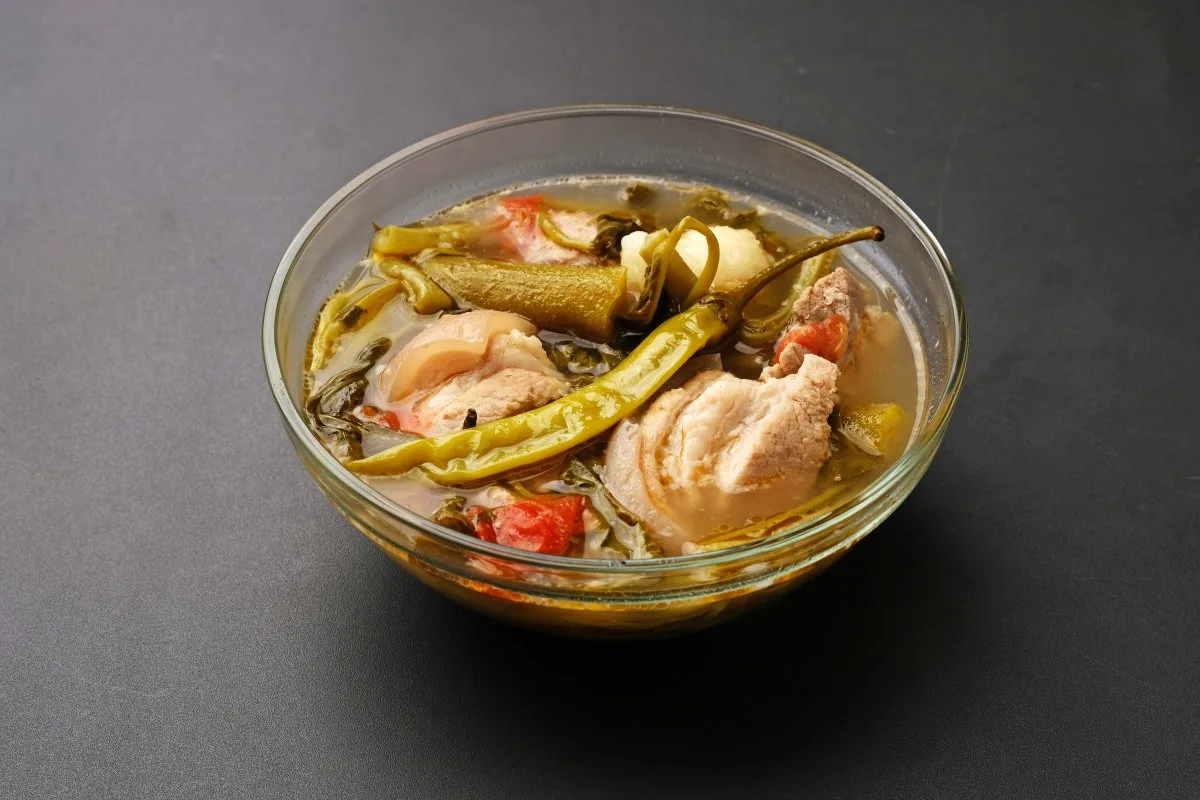
If adobo represents the savory backbone of Philippine home cooking, sinigang is undeniably its beating heart. Characterized by its mouth-puckering sourness, restorative broth, and generous medley of tender proteins and crisp garden greens, this beloved stew is more than a meal—it is a cultural ritual woven deeply into everyday Filipino life.
Sipped hot against the torrential rains of the Philippine monsoon season or enjoyed under the midday tropical heat, sinigang delivers an electrifying flavor profile: a bright, assertive acidity grounded in the deep umami of stewed meats and fermented fish sauce. It is so universally adored that international culinary authority TasteAtlas crowned it the #1 Best Soup in the World in 2021 and honored it among the greatest global dishes in 2023.
What Is Sinigang? The Anatomy of an Indigenous Sour Stew
At its core, sinigang (sometimes anglicized simply as Philippine sour soup or sour broth) is a traditional soup or stew characterized by a dominant sour and savory flavor axis. Unlike Western broths that lean heavily on sweet mirepoix or rich creams, sinigang derives its vibrant identity from a delicate balance of tart botanical acids and savory, mineral-rich animal broths.
The dish is served piping hot, almost always accompanying a mound of steaming white rice. A companion dipping saucer of fish sauce (patis) crushed with pungent fresh chilis is virtually mandatory at the table, allowing diners to customize each spoonful between mouthfuls of rice and broth.
Quick Cultural Fact: Rice & Broth Synergy
In Filipino dining culture, sinigang is seldom eaten like a standalone European soup. Instead, the piping-hot sour broth is ladled generously over jasmine rice, softening the grains and allowing the starch to absorb every drop of tangy, savory goodness.
History and Origins: From Tagalog Sigáng to National Treasure
Linguistically and culturally, sinigang is rooted in the pre-colonial culinary traditions of the Tagalog people. The word sinigáng is a grammatical nominalization of the Tagalog root verb sigáng, meaning "to stew." It literally translates to "stewed [dish]."
While sinigang is cooked and celebrated across the entire Philippine archipelago today, culinary historians note its Tagalog origin. Similar sour soups found across the Visayas and Mindanao—such as the fiery sour seafood broth linarang in Cebu or the sour broth variations of dinengdeng in Northern Luzon—are culturally distinct preparations with their own native lineages and spice frameworks rather than regional offshoots of sinigang.
Historically, sinigang differentiated itself from another ancient Filipino cooking method: paksiw. While paksiw relies strictly on sugarcane or palm vinegar (vinegar) to preserve and braise proteins, sinigang has always harnessed the live, dynamic acidity of whole fruits and young wild leaves.
The Flavor Chemistry: Indigenous Souring Agents Beyond Tamarind
While commercial tamarind seasoning packets have become ubiquitous in modern urban households, authentic sinigang was historically a celebration of Philippine biodiversity. Different regions, seasons, and local microclimates dictated which souring fruit or leaf simmered in the family clay pot.
| Souring Agent | Botanical / Native Name | Flavor Profile & Character |
|---|---|---|
| Tamarind | Sampalok | The undisputed gold standard. Imparts a clean, sharp, mouth-coating tartness with subtle fruity undertones. |
| Santol | Cotton fruit | Mildly sweet-sour, fragrant, and slightly tannic; pairs exceptionally well with tender pork belly and milkfish. |
| Bilimbi | Kamias or Iba | Extremely high natural acidity with juicy, crisp notes; ideal for cutting through the richness of oily fish. |
| Guava | Bayabas | Introduced via the Manila galleons; produces a remarkably aromatic, cloudy, sweet-sour broth with tropical fruitiness. |
| Unripe Green Mango | Manggang hilaw | Piquant, puckering crispness that brings intense, sun-drenched brightness to fish and seafood sinigang. |
| Calamansi & Biasong | Native citruses | Fragrant floral citrus notes with direct, zesty citric acid. |
| Butterfly Tree Leaves | Alibangbang | Young sour leaves traditionally utilized by indigenous and upland communities like the Aetas of Central Luzon. |
| Binukaw & Libas | Batuan / Wild hog plum | Deep forest-fruit sourness native to the Visayan and Southern Luzon provinces. |
| Gooseberry Tree | Karmay | Brisk, sharp sour berry notes occasionally used in provincial home cooking. |
| Watermelon | Pakwan | A modern culinary innovation blending ripe red watermelon sweetness with tamarind acid for a complex sweet-sour broth. |
Core Ingredients: Building the Classic Sinigang Pot
Regardless of the chosen souring fruit or protein, a quintessential pot of sinigang follows a harmonious architecture of aromatics, root thickeners, and tender greens:
- Aromatic Base: Ripe tomatoes wedges that soften and bleed savory acidity into the water, crushed garlic cloves, and sliced native red onions.
- Starchy Broth Thickener: Taro corms (gabi) are simmered until their starch breaks down directly into the broth, transforming thin boiling water into a velvety, silky body that clings to vegetables and rice.
- Garden Greens & Crisp Vegetables: Tender water spinach (kangkóng), sliced eggplant (talóng), tender okra, crunchy daikon radish (labanós), and snipped yardlong beans (sitaw).
- Aromatic Heat: Whole green finger peppers (siling haba), added near the end of cooking to infuse fresh herbal warmth and aroma without blowing out the dish with burning capsaicin heat.
Verified Variations Across the Archipelago
Across Philippine provinces and family tables, sinigang evolves according to geography, catch of the day, and seasonal harvests. Here are the 11 documented variations of this iconic dish:
1. Sinigang na Baboy (Pork Sinigang)
The undisputed sovereign of family Sunday dinners. Succulent cuts of bone-in pork ribs, belly (liempo), or pork collar are simmered slowly until gelatinous and fall-apart tender. The rich rendered pork fat emulsifies with the tamarind broth and dissolved taro (gabi), creating an addictive balance between fatty richness and cutting sourness.
Craving to cook this at home? Check out our step-by-step Sinigang na Baboy Recipe with full cooking timers and ingredient checklists.
2. Sinigang na Isda (Fish Sinigang)
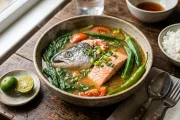
Freshwater or marine fish simmered gently with tomatoes, radish, and sour broth. The national favorite is milkfish (bangus), celebrated for its prized, fatty belly. Salmon heads and salmon bellies are also immensely popular modern variations. Because fish is delicate, cooking times are brief to preserve sweet freshness.

3. Sinigang na Hipon (Shrimp or Prawn Sinigang)
Succulent whole head-on prawns or shrimp boiled rapidly in sour tamarind broth. The head fats (tomalley) melt into the bubbling liquid, imparting an unmistakable golden-orange hue and an intense, sweet seafood salinity.
4. Sinigang na Baka (Beef Sinigang)
A hearty, slow-cooked rendition utilizing beef shank, ribs, or brisket. Because beef requires prolonged braising to achieve melting tenderness, the broth deepens into a rich, robust, mahogany savory-sour liquor that warms on chilly evenings.
5. Sinigang sa Miso (Sinigang with Fermented Soybean Paste)
In this beloved regional variant, locally produced yellow or white miso paste is sautéed with ginger and onions before the sour broth and fish (usually milkfish, catfish, or salmon) are introduced. The miso introduces a deep, earthy umami note and savory sweetness that tempers the tamarind bite.
6. Sinigang sa Bayabas (Sinigang with Guava)
A distinct, historic specialty featuring ripe yellow guavas that have been peeled, seeded, and mashed into the pot. Unlike sharp tamarind sinigang, Sinigang sa Bayabas is characterized by a softer, gentler acidity and an intoxicating, sweet floral aroma that fills the kitchen.

7. Sinigang sa Mangga (Unripe Green Mango Sinigang)
Particularly popular in coastal fishing towns during summer mango harvesting season, freshly grated or sliced green unripe mangoes lend a mouth-watering, puckering tartness that highlights sweet, freshly caught fish and squid.
8. Sinigang sa Kalamansi
When wild fruits are out of season, fresh juice from native calamansi limes provides a clean, zesty citric acid kick. Because heat can turn fresh citrus juice bitter, calamansi juice is typically squeezed into the pot right at the finish.
9. Sinigang sa Santol
Using the seeded pulp and tart flesh of native cotton fruit (santol), this variant offers a pleasantly thick, sour broth with complex fruity notes.

10. Sinigang sa Pakwan (Watermelon Sinigang)
A celebrated contemporary restaurant innovation that has entered modern home cooking. Cubes of sweet, ripe red watermelon are simmered alongside tamarind, yielding a stunning rose-colored broth that balances bright acid with natural fruit sweetness.
11. Bule (Aeta Indigenous Lima Bean Sinigang)
An ancient indigenous variation originating with the Aeta communities of Pampanga in Central Luzon. Bule features tender lima beans (patani or bule) stewed with pork hock and soured using wild butterfly tree leaves (alibangbang). Formerly referred to with an outdated and derogatory term, culinary advocates and cultural historians have restored its proper name: Bule.

Similar Dishes vs. Variations: The Culinary Distinctions
In culinary research, it is essential to distinguish between a genuine variation of sinigang and an entirely separate dish that shares a sour flavor profile. A similar dish is not a variation. The following dishes are frequently confused with sinigang by outsiders, but represent distinct culinary traditions:
Sinampalukang Manok
Why It's Not Sinigang: Technique and Ingredients
While it features chicken and tamarind, sinampalukan requires the chicken pieces to be actively sautéed in ginger first before broth is added. Furthermore, it is uniquely flavored with shredded young tamarind leaves rather than fruit pulp, giving it a distinctive herbal tang.
Cansi (Bacolod Beef Shank Soup)
Why It's Not Sinigang: Distinct Visayan Heritage
Native to Negros Occidental in the Western Visayas, cansi is a cross between bulalo (bone marrow soup) and a sour stew. It utilizes beef shank and marrow, unripe breadfruit (langka), and is soured exclusively with batuan fruit and colored orange with achuete.
Pinangat na Isda & Linarang
Why They're Not Sinigang: Seafood-Specific Broths
Southern Luzon’s pinangat (fish poached with tomatoes and bilimbi in little liquid) and Cebu’s linarang (spicy, fermented sour seafood soup) are restricted to marine proteins and feature entirely different aromatic foundations.
Sinanglaw & Inalseman
Why They're Not Sinigang: Ilocano Bitter-Sour Tradition
Hailing from the Ilocos Region, sinanglaw combines sour bilimbi with beef offal and bitter bile. Meanwhile, inalseman is an acidulated variation of dinengdeng incorporating jute mallow (saluyot) and pungent fermented bugguóng fish sauce.
Southeast Asian Cousins: Malaysian Singgang & Pindang
Across the South China Sea in Peninsular Malaysia—specifically in the eastern coastal states of Kelantan and Terengganu—cooks prepare a close linguistic and culinary relative known as singgang. Common ingredients include galangal, garlic, chili, and asam gelugur as the souring fruit, often boosted with budu (fermented anchovy sauce) or tempoyak (fermented durian). On Malaysia's west coast, a similar dish is known as pindang.
Global Acclaim: The World’s Best Soup
For generations, sinigang was an intimate family secret—a soup celebrated in quiet home kitchens rather than flashy fine-dining restaurants. In recent years, however, the dish has captured international spotlight and critical acclaim.
In the TasteAtlas 2021 World Food Awards, sinigang was officially ranked the #1 Best Soup in the World, surpassing culinary heavyweights such as Romanian ciorbă de fasole cu afumătură and traditional Japanese shōyu ramen.
Two years later, TasteAtlas honored sinigang once again in its 2023 global rankings as one of the Best Dishes in the World, triumphing over renowned international classics including Poland’s żurek, France’s steak au poivre, and Vietnam’s iconic phở bò.
Frequently Asked Questions (FAQ)
Conclusion
Sinigang is more than just an electric shock of sourness to the senses—it is an edible map of the Philippine landscape. In every steaming bowl, from the tender pork ribs of Manila to the wild alibangbang leaves of Pampanga and the fresh milkfish of Dagupan, sinigang captures the resilient, vibrant spirit of Filipino cuisine. Whether you savor it on a rainy evening or share it with loved ones around a crowded weekend table, its sour broth remains the ultimate taste of home.
What's Your Reaction?
 Like
1
Like
1
 Dislike
0
Dislike
0
 Love
2
Love
2
 Funny
0
Funny
0
 Wow
1
Wow
1

The team behind reviewing, curating, and preparing community-submitted recipes and food content for publication on Recipinboard. We help ensure every submission is presented clearly, credited properly, and ready to be discovered by fellow food lovers.
Related Articles
 Main Dishes
11 min read
Main Dishes
11 min read
The Soul of the Korean Table: An Epicurean Guide to Flavors, F...
An engaging, comprehensive culinary guide to Korean cuisine (Hansik). Explore the ...
 Nutrition & Guides
8 min read
Nutrition & Guides
8 min read
Understanding Estimated Nutrition & Macros: The Ultimate Guide...
Explore what estimated nutrition and macros mean, how our interactive widget calcu...



Comments (0)