

Understanding Estimated Nutrition & Macros: The Ultimate Guide to Calories, Daily Values, and Recipe Science
Explore what estimated nutrition and macros mean, how our interactive widget calculates data in real time, and how understanding these figures empowers healthier, confident home cooking.
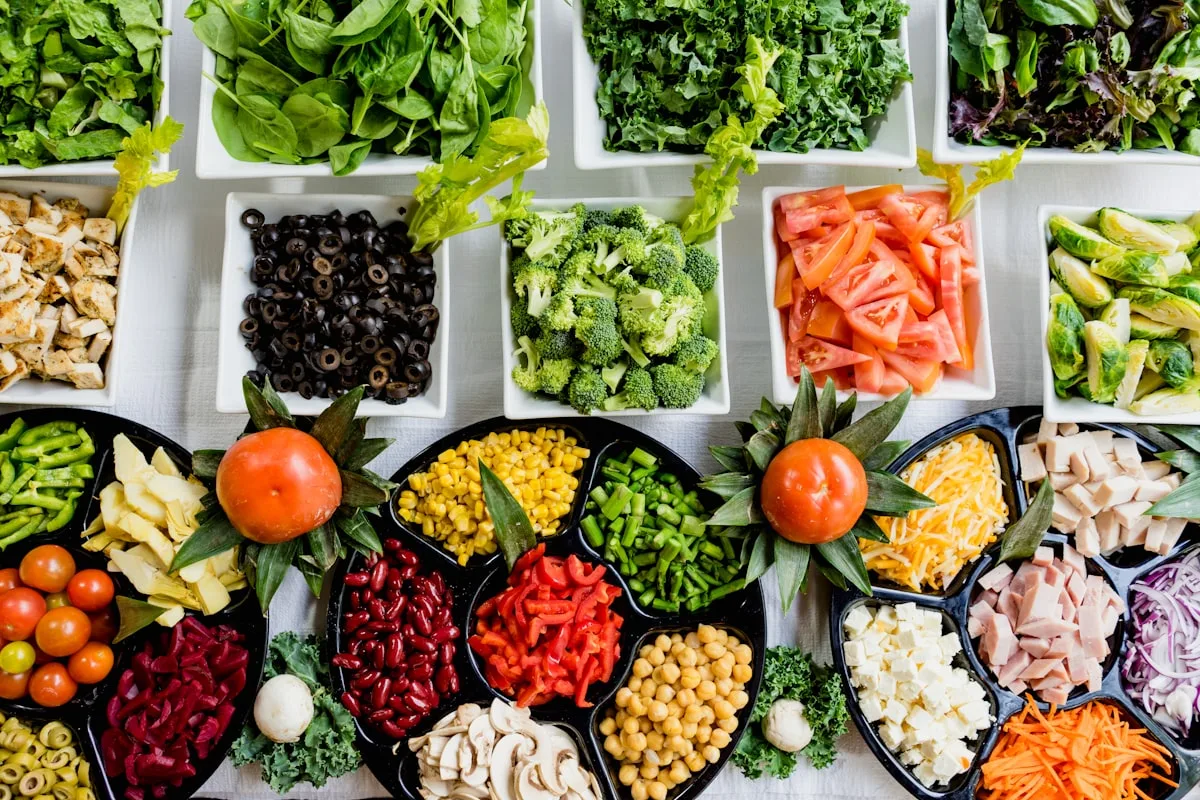
Have you ever stared at a recipe card and wondered what those numbers at the bottom actually mean for your body? Or perhaps you have tapped the servings scaler from 4 to 8 portions and marveled at how the nutrition numbers effortlessly recalculate. Welcome to the complete guide to Estimated Nutrition & Macros on Recipinboard. Whether you are a curious everyday home cook or a numbers-driven athlete, this deep dive will show you how nutritional modeling works, why it matters, and the exact mathematics behind our interactive widget.
Key Takeaways in This Guide
- Everyday Basics: What macronutrients (protein, carbs, fat) and micronutrients (sodium, fiber, minerals) do for your energy and satiety.
- Practical Benefits: How portion awareness empowers guilt-free dining, meal prep accuracy, and confident recipe substitutions.
- Widget Ergonomics: How to toggle between "Per Serving" and "Entire Recipe", interpret color-coded macro cards, and scale yields dynamically.
- Under the Hood: The Atwater 4-9-4 energy system, dynamic yield scaling equations, and the FDA 2,000-calorie % Daily Value (DV) reference algorithms.
Part 1: The Everyday Cook’s Guide to Nutrition & Macros
Before diving into charts and equations, let's demystify the terms you encounter every time you explore a recipe on Recipinboard.
1. What Exactly Are "Macronutrients" (Macros)?
Macronutrients are the foundational nutrients your body needs in substantial daily quantities to generate cellular energy, maintain vital organs, and repair tissue. They fall into three primary categories:
- Protein (The Cellular Building Block): Found in poultry, beef, seafood, tofu, eggs, and legumes. Protein supplies amino acids that rebuild muscle fibers, produce digestive enzymes, synthesize antibodies, and keep you feeling satiated long after eating.
- Carbohydrates (Your Body’s Preferred Fuel): Found in rice, pasta, grains, fruits, starchy vegetables, and sweeteners. Carbohydrates convert into glucose, powering your brain, central nervous system, and physical exertion. In our widget, carbohydrates also account for dietary fiber—the indigestible prebiotic powerhouse that regulates blood sugar and digestion.
- Total Fats (The Essential Cushion & Flavor Vehicle): Found in olive oil, butter, avocado, nuts, and rendered animal fats. Beyond making food taste luscious and rich, healthy fats insulate organs, enable hormone production, and unlock fat-soluble vitamins (A, D, E, and K).
2. What Are "Micronutrients"?
While macros provide bulk calories, micronutrients are the precision instruments. Measured in milligrams (mg) or micrograms (mcg), these include Sodium (for electrolyte balance and nerve transmission), Calcium (for bone density and muscle contraction), Iron (for oxygen delivery in red blood cells), Potassium (for vascular pressure moderation), and Vitamin D (for immune regulation).
3. Why Do We Say "Estimated" Nutrition?
Home cooking is an art, not a clinical pharmaceutical laboratory. A ripe heirloom tomato in August naturally has slightly more fructose than a greenhouse tomato in January; a dry sear on pork belly renders out some fat into the pan; and one cook might use reduced-sodium tamari while another reaches for traditional dark soy sauce. We label our figures as Estimated Nutrition to be transparent: these numbers represent scientifically modeled culinary targets based on standardized ingredient profiles, providing trustworthy guardrails rather than rigid absolutes.
Part 2: Why Knowing These Numbers Changes Everything
Nutritional data is not about restriction, counting peas, or culinary anxiety—it is about empowerment. Understanding recipe figures delivers four transformative advantages:
Mindful Portion Harmony
Knowing that a pasta dish provides 680 kcal per serving allows you to pair it intentionally—perhaps with a crisp lemon-dressed arugula salad rather than garlic bread—aligning your dinner with how active your day was.
Sustained Satiety & Energy
A meal with 35 grams of protein and 5 grams of fiber digests gradually, preventing sudden blood sugar spikes and that dreaded 3 PM post-lunch slump.
Effortless Dietary Alignment
Whether you follow a high-protein bodybuilding protocol, manage sodium for cardiovascular health, or adhere to a low-carb lifestyle, instant macro visibility eliminates guesswork.
Smart Ingredient Substitutions
Seeing that an Alfredo sauce derives 65% of its calories from heavy cream empowers you to substitute half-and-half or Greek yogurt with confidence in the resulting macro shift.
Part 3: Inside the Recipinboard Nutrition & Macros Widget
Every full recipe on Recipinboard is paired with our custom-built Estimated Nutrition & Macros Sidebar Widget. We engineered this component to be intuitive on mobile, elegant on desktop, and completely interactive:
1. The Smooth Glider Toggle (Per Serving vs. Entire Recipe)
Most recipe sites force you to pull out a calculator if you're meal prepping a batch for the whole family. With our animated sliding pill toggle, you can flip between Per Serving (ideal for logging lunch) and Entire Recipe (ideal for understanding the macro footprint of the entire stockpot or casserole) with a single tap.
2. The 4 Hero Metric Cards
At the top of the card sits our high-contrast 4-box macro grid. Each metric is styled with a distinct, scientifically associative color token:
- Calories (Amber/Orange): Instant gross energy yield.
- Protein (Emerald Green): Grams of lean structural building blocks.
- Carbs (Warm Gold): Total carbohydrates including natural starches and fiber.
- Fats (Rose Red): Essential lipid content.
3. Interactive Serving Scaler Synchronization
Our nutrition widget is not a static screenshot; it is hardwired directly to Recipinboard's dynamic recipe scaling engine. When you adjust the serving yield on the recipe page from 4 servings to 6 servings, the widget recalculates every gram and percentage in real-time, matching your exact cooking batch.
Part 4: Under the Hood — The Mathematics & Culinary Physics
Now, let's venture into the engineering and biochemistry that powers the calculations behind the scenes.
1. The Atwater General Factor System (4-9-4)
How do food scientists determine caloric content from grams of food? In the late 19th century, chemist Wilbur Olin Atwater pioneered bomb calorimetry studies to calculate the physiological fuel values of nutrients. These are universally established as the 4-9-4 Atwater Factors:
| Macronutrient | Energy Factor | Biochemical Function |
|---|---|---|
| Protein | 4.0 kcal / gram |
Amino acid synthesis, structural repair, immune function. |
| Carbohydrates | 4.0 kcal / gram |
Rapid glycolysis, glycogen replenishment, brain energy. |
| Dietary Fiber | 0 to 2.0 kcal / gram |
Fermented into short-chain fatty acids (SCFAs) in the colon. |
| Total Fat (Lipids) | 9.0 kcal / gram |
Cellular membrane integrity, steroid hormone synthesis, long-term energy storage. |
Our computational engine models the energy contribution of each macronutrient using the following proportionality formulas:
Calories from Carbohydrates = Carbohydrates (g) × 4
Calories from Fat = Fat (g) × 9
Calculated Caloric Sum = (P × 4) + (C × 4) + (F × 9)
// Proportional Macro Splits (% of Total Calories)
% Energy from Protein = [ (Protein × 4) / Total Calories ] × 100
% Energy from Carbs = [ (Carbohydrates × 4) / Total Calories ] × 100
% Energy from Fat = [ (Fat × 9) / Total Calories ] × 100
2. FDA Daily Value (% DV) Reference Modeling
When our widget displays that a serving of Pork Sinigang delivers 38% DV of Sodium or 60% DV of Saturated Fat, what is the reference point? We calibrate our daily value engine against the standardized FDA 2,000-Calorie Reference Diet (21 CFR § 101.9):
| Nutrient | FDA Daily Value (100% DV Target) | Recipinboard DV Calculation |
|---|---|---|
| Total Fat | 78 grams | round( (Val / 78) * 100 )% |
| Saturated Fat | 20 grams | round( (Val / 20) * 100 )% |
| Cholesterol | 300 milligrams | round( (Val / 300) * 100 )% |
| Sodium | 2,300 milligrams | round( (Val / 2300) * 100 )% |
| Total Carbohydrates | 275 grams | round( (Val / 275) * 100 )% |
| Dietary Fiber | 28 grams | round( (Val / 28) * 100 )% |
| Protein | 50 grams (standard baseline) | round( (Val / 50) * 100 )% |
| Calcium | 1,300 milligrams | round( (Val / 1300) * 100 )% |
| Potassium | 4,700 milligrams | round( (Val / 4700) * 100 )% |
| Iron | 18 milligrams | round( (Val / 18) * 100 )% |
| Vitamin D | 20 micrograms (mcg) | round( (Val / 20) * 100 )% |
3. Serving Multipliers & Dynamic JavaScript Scaling
When the client-side JavaScript receives a scale event from the user, it computes the scaled metric using an immutable base representation. If a recipe is documented for 4 servings with 520 kcal per serving:
Batch Value = Base Per-Serving Value × Default Recipe Servings
e.g., 520 kcal × 4 servings = 2,080 kcal total batch
// 2. Client-Side Serving Scale Multiplier
Target Servings = 6
Per-Serving Value = Constant (remains 520 kcal)
New Batch Value = 520 kcal × 6 = 3,120 kcal total batch
This decoupling ensures that scaling servings adjusts ingredient quantities and grocery totals without mathematically distorting the per-portion nutritional density.
4. Culinary Physics: Evaporation, Rendering, and Fond Absorption
Why do cooked meals sometimes taste richer than the raw ingredients suggest? Cooking involves thermodynamics:
- Moisture Evaporation: Simmering a 6-quart stew for an hour evaporates water vapors, reducing the physical volume and increasing the concentration of savory glutamates, sodium, and nutrients per ladle.
- Lipid Rendering: When searing chicken thighs or pork belly, subcutaneous fats render into the pan. If the recipe deglazes the pan into a reduction sauce, those lipids re-emulsify into the finished dish, ensuring the modeled fat calculations mirror real-world plates.
Part 5: Best Practices for Home Cooks
Practical Nutrition Habits
- Focus on Weekly Trends Over Daily Perfection: Your body does not reset to zero at midnight. Aim for balanced weekly nutrition rather than obsessing over individual grams at a single celebratory dinner.
- Log With the "Entire Recipe" Toggle for Meal Prep: If you divide a braised beef batch into four meal prep glass containers, check the "Entire Recipe" tab, log 1/4 of the gross recipe in your tracking app, and you are good to go.
- Flavor Without Excess Sodium: If you are managing hypertension, utilize acidic deglazing (vinegars, citrus), aromatics (fresh garlic, scallions, ginger), and fragrant herbs to deliver explosive flavor without relying on heavy salt shakers.
Cooking delicious food at home is one of the most powerful steps you can take for your health, happiness, and connection with loved ones. With Recipinboard’s estimated nutrition modeling, you enjoy transparent clarity on every single recipe—giving you the freedom to cook passionately, savor every bite, and nourish your body with confidence.
Credit & Sources
This article is curated from credited authors, creators, or reference sources and thoughtfully presented on Recipinboard to make it easier to discover, save, read, and explore. We recognize and credit all original sources while making quality culinary guides, articles, and insights accessible to our community.
What's Your Reaction?
 Like
0
Like
0
 Dislike
0
Dislike
0
 Love
0
Love
0
 Funny
0
Funny
0
 Wow
0
Wow
0

The team behind reviewing, curating, and preparing community-submitted recipes and food content for publication on Recipinboard. We help ensure every submission is presented clearly, credited properly, and ready to be discovered by fellow food lovers.
Related Articles
 Main Dishes
11 min read
Main Dishes
11 min read
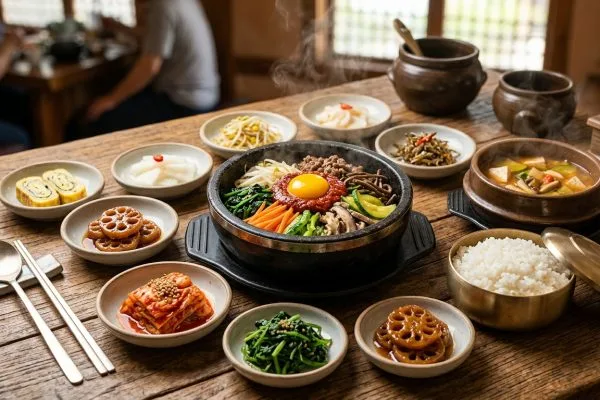
The Soul of the Korean Table: An Epicurean Guide to Flavors, F...
An engaging, comprehensive culinary guide to Korean cuisine (Hansik). Explore the ...
 Soups & Salads
12 min read
Soups & Salads
12 min read
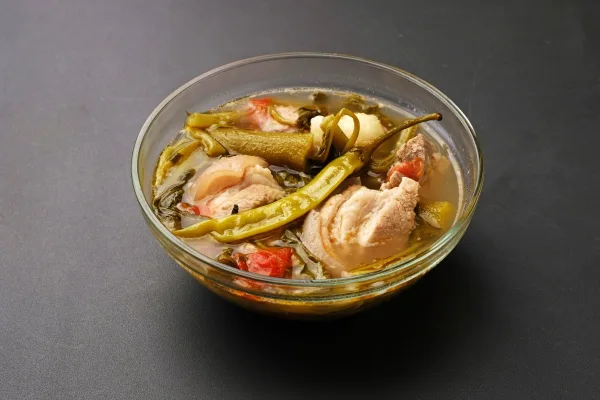
Sinigang — The Heart & Science Behind the Philippines' Iconic ...
From ancient Tagalog hearths to being crowned the world's best soup by TasteAtlas,...







Comments (0)