

Sinigang na Bangus: A Bowl of Comfort
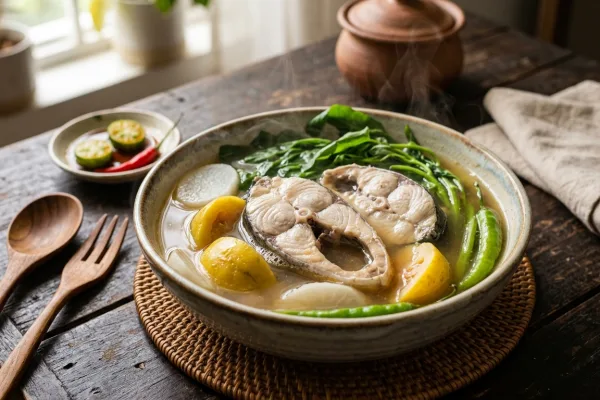
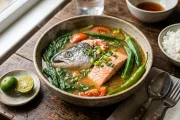
A classic Filipino sour tamarind soup made with tender milkfish steaks, savory aromatics, kangkong, daikon radish, okra, and eggplant simmered in a tangy broth by Yummy Kitchen.
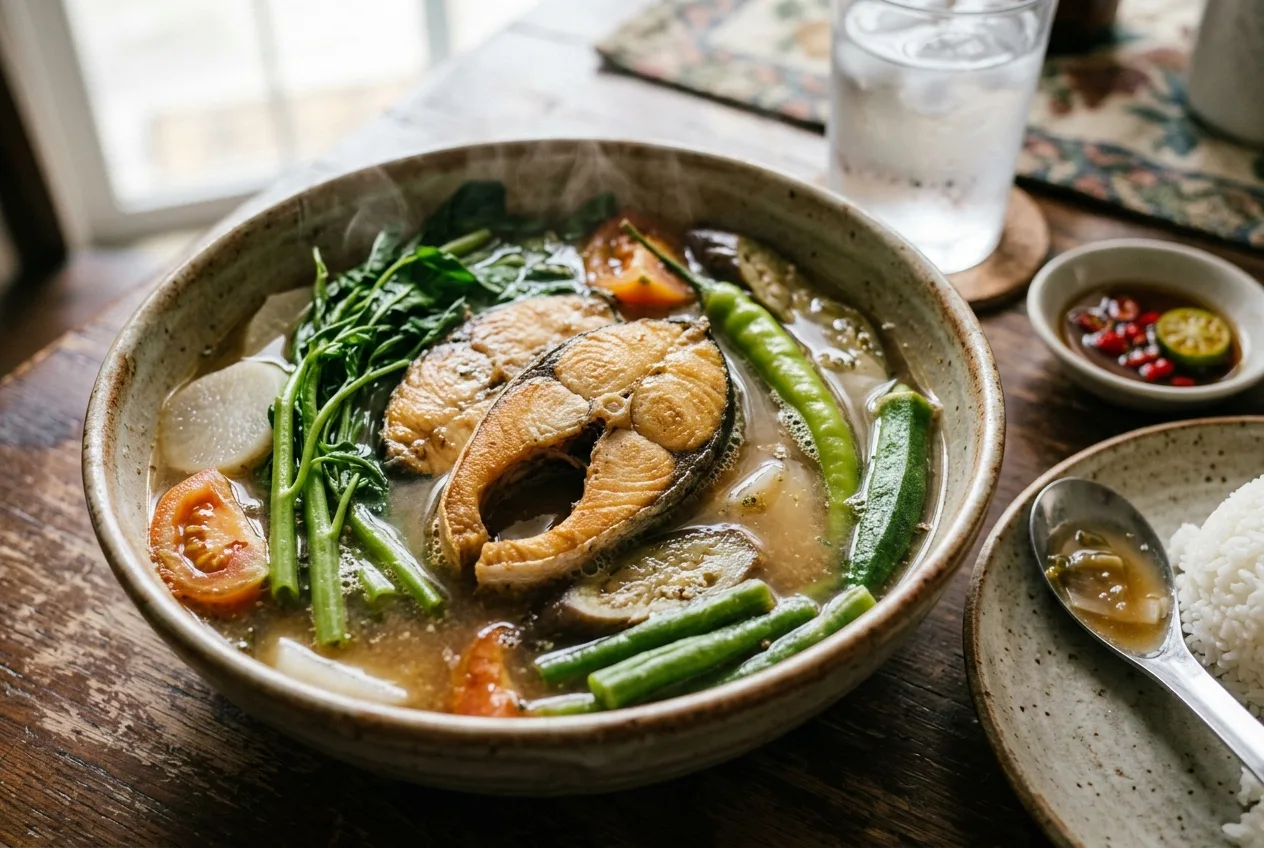
There is something incredibly soothing about a hot bowl of soup, especially when it packs a delightfully tangy punch. If you're looking to explore classic Filipino cuisine or just want a cozy, satisfying meal, it’s time to talk about Sinigang na Bangus.
The Perfect Balance of Sour and Savory
At the heart of this iconic dish is its signature broth. The distinct, lip-smacking taste comes from a souring agent—most traditionally, tamarind. This creates a uniquely tangy flavor profile that perfectly complements the fish and leaves you craving another spoonful.
As showcased in Yummy Kitchen's recipe tutorial, this wholesome meal brings together fresh bangus (milkfish) with an appetizing medley of country vegetables—including fresh kangkong (water spinach), string beans, radish, okra, and eggplant—simmered in an unmistakably comforting sour broth.
Chef's Tips for the Best Sinigang
- Fry the Fish First: Lightly frying the bangus before boiling it helps the fish hold its shape and prevents it from flaking apart and turning your soup mushy.
- Use Rice Water: When washing your rice to cook alongside this meal, save the second or third wash (hugas bigas). Using rice water instead of plain water gives the broth a slightly thicker, silkier texture.
- Don't Overcook the Veggies: Adding the vegetables in stages ensures that the harder vegetables cook completely while the leafy greens stay vibrant and crisp.
- Control the Sourness: If you aren't sure how sour you like it, start by adding half of the Sinigang mix sachet. Taste the broth, and gradually add more until it reaches your desired tanginess.
A Classic for a Reason
Whether it’s a rainy evening or a Sunday family lunch, Sinigang na Bangus is the definition of comfort food. The combination of the flaky fish, vibrant vegetables, and that unmistakable sour broth—ideally served over a steaming bed of white rice—is simply unbeatable. Grab your pot, prep those veggies, and get ready to enjoy a bowl of pure, tangy comfort!
Ingredients
-
1 piece Fish
-
1 pinch
-
2 tbspSubstitutes for Extra Virgin Olive Oil:Avocado Oil Ratio: 1:1
-
1 thumbSubstitutes for Fresh Ginger:Ground Ginger Ratio: 1/4 tsp ground = 1 tbsp fresh
-
1 pieceSubstitutes for Yellow Onion:White Onion Ratio: 1:1Red Onion Ratio: 1:1Shallots Ratio: 3 shallots = 1 medium onion
-
4 pieceSubstitutes for Fresh Tomato:Canned Diced Tomatoes Ratio: 1:1
-
4 to 5 cupSubstitutes for Jasmine Rice:Basmati Rice Ratio: 1:1
-
1 sachet
-
1 to 2 tbsp
-
1 bunch
-
1 piece
-
4 to 5 piece
-
1 pieceSubstitutes for Eggplant:Zucchini Ratio: 1:1Portobello Mushroom Ratio: 1:1
-
1 bunch
-
3 to 4 piece
Watch How to Make It
1. Prep and fry the fish
Lightly frying the bangus first helps the fish hold its shape and prevents it from flaking apart and turning your soup mushy.
2. Sauté the aromatics
Gently pressing the tomatoes with your cooking spoon helps release their flavorful natural juices.
3. Build the broth
When washing your rice to cook alongside this meal, save the second or third wash (hugas bigas). Using rice water gives the broth a slightly thicker, silkier texture.
4. Boil the hard vegetables
Adding the vegetables in stages ensures that the harder vegetables cook completely while the leafy greens stay vibrant and crisp.
5. Season the soup
If you aren't sure how sour you like it, start by adding half of the Sinigang mix sachet. Taste the broth, and gradually add more until it reaches your desired tanginess.
6. Bring it together
Submerge the fish gently without vigorous stirring so the delicate pieces remain intact.
7. Final touches
Turn off the heat once the kangkong wilts slightly to preserve its vibrant green hue and fresh crisp bite.
8. Serve and enjoy
A small dipping saucer of patis with crushed chili or calamansi makes the perfect accompaniment for the tender fish.
All Steps Completed!
You've successfully finished cooking this recipe.
Directions
Step 1: Prep and fry the fish
Wash the milkfish, slice it into serving steaks, and rub the pieces gently with salt. Heat cooking oil in a pan over medium heat and lightly fry the fish chunks for a few minutes until they are half-cooked. Remove them from the pan and set them aside.
Lightly frying the bangus first helps the fish hold its shape and prevents it from flaking apart and turning your soup mushy.
Step 2: Sauté the aromatics
In the same pan, add the sliced ginger, chopped onion, and tomatoes. Sauté over medium heat until softened and fragrant.
Gently pressing the tomatoes with your cooking spoon helps release their flavorful natural juices.
Step 3: Build the broth
Pour in the 4 to 5 cups of rice water (or plain water). Cover the pot and wait for the broth to come to a rolling boil.
When washing your rice to cook alongside this meal, save the second or third wash (hugas bigas). Using rice water gives the broth a slightly thicker, silkier texture.
Step 4: Boil the hard vegetables
Once boiling, add the string beans (sitaw) and sliced radish (labanos). Let them cook for 5 minutes. Then, add the okra and eggplant and cook for 3 more minutes.
Adding the vegetables in stages ensures that the harder vegetables cook completely while the leafy greens stay vibrant and crisp.
Step 5: Season the soup
Stir in your Sinigang mix powder until well combined and dissolved. Add fish sauce to taste.
If you aren't sure how sour you like it, start by adding half of the Sinigang mix sachet. Taste the broth, and gradually add more until it reaches your desired tanginess.
Step 6: Bring it together
Gently drop the half-cooked bangus slices back into the simmering broth, making sure they are submerged.
Submerge the fish gently without vigorous stirring so the delicate pieces remain intact.
Step 7: Final touches
Add the kangkong leaves and stir very gently so you don't break the fish. Toss in the whole green chilies and let the whole pot cook for a final 3 to 5 minutes. Turn off the heat once all the ingredients are cooked.
Turn off the heat once the kangkong wilts slightly to preserve its vibrant green hue and fresh crisp bite.
Step 8: Serve and enjoy
Ladle the steaming Sinigang na Bangus into deep serving bowls with generous broth, fish, and veggies. Serve immediately with warm white rice and patis on the side.
A small dipping saucer of patis with crushed chili or calamansi makes the perfect accompaniment for the tender fish.
Credit & Sources
This recipe is curated from the credited creator or publisher and presented on Recipinboard with additional editorial context and features to make discovering, saving, organizing, and cooking easier—with interactive cooking tools, ingredient checklists, serving adjustments, meal planning, and grocery planning. We recognize and credit the recipe source while adding our own editorial perspective to help you discover more about the recipe and its story.
What's Your Reaction?

I’m a passionate home cook who loves turning fresh ingredients into delicious, memorable meals. I curate recipes and share them on Recipinboard, bringing together inspiring dishes, flavors, and ideas for fellow food lovers. I believe great food brings people together, and I’m always exploring new recipes, techniques, and flavors to make every meal special.
Related Recipes
 Seafood Lunches
⏱ 40 mins
Seafood Lunches
⏱ 40 mins
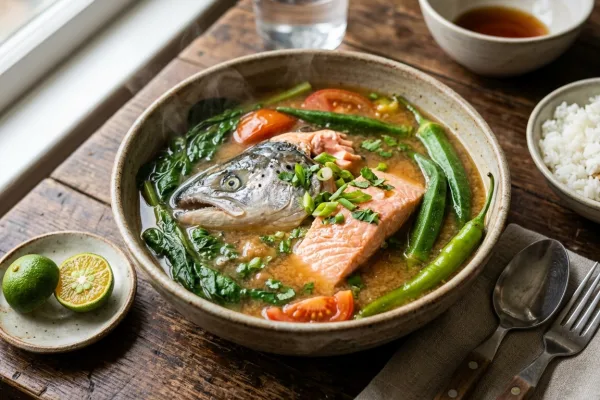
Sinigang na Salmon sa Miso
A comforting Filipino sour tamarind and miso soup featuring rich salmon heads, fre...
 Seafood Lunches
⏱ 30 mins
Seafood Lunches
⏱ 30 mins
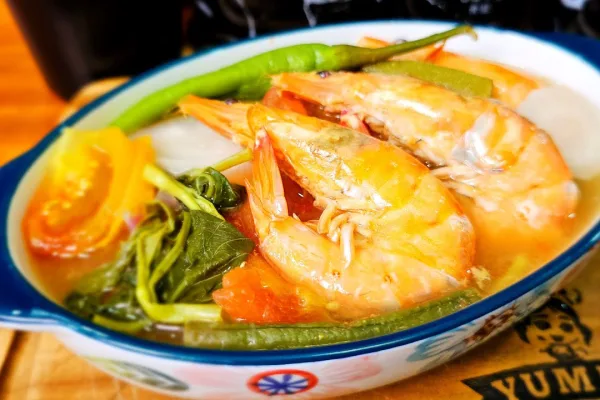
The Ultimate Sinigang na Hipon (Filipino Shrimp Tamarind Soup)
An authentic Filipino sour tamarind soup made with succulent whole shrimp, fresh k...
 Seafood Lunches
⏱ 45 mins
Seafood Lunches
⏱ 45 mins
Sinigang na Bangus sa Bayabas
A heritage Filipino sour soup featuring tender milkfish (bangus) steaks simmered i...
 Life Style
⏱ 60 mins
Life Style
⏱ 60 mins
Laing Bicol
Laing, or Pinangat in Bicol, is Bicol's pride - dried or fresh taro leaves slow-co...
 Filipino Breakfast
⏱ 17 mins
Filipino Breakfast
⏱ 17 mins
Chicken Inasal with Garlic Java Rice & Atchara
There are two kinds of grilled chicken in the Philippines. There's the one you eat...
 Asian Salads
⏱ 45 mins
Asian Salads
⏱ 45 mins
Kimchi — Easy Mak-Kimchi Style
If you have ever been intimidated by the complex process of making traditional Kor...



Comments (0)