

The Ultimate Sinigang na Hipon (Filipino Shrimp Tamarind Soup)
An authentic Filipino sour tamarind soup made with succulent whole shrimp, fresh kangkong, crisp daikon radish, okra, and string beans simmered in a tangy broth by Yummy Kitchen.
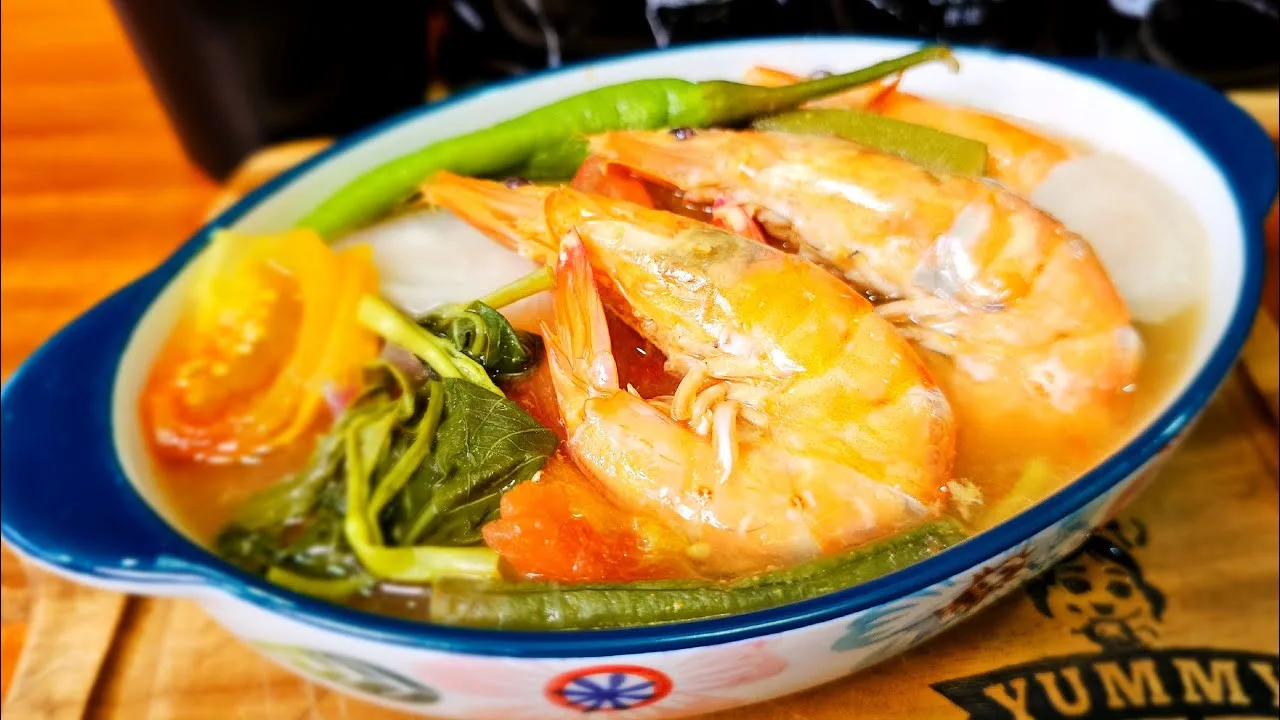
There is nothing quite like a steaming bowl of Sinigang na Hipon to soothe the soul. Bursting with the bold, lip-smacking tang of tamarind broth and the natural sweetness of fresh shrimp, this iconic Filipino soup is a timeless household favorite.
The Irresistible Balance of Sour and Savory
In this classic recipe by Yummy Kitchen, tender whole shrimp are simmered in a fragrant broth enriched with fresh tomatoes, onions, and hearty country vegetables like kangkong (water spinach), string beans, radish, and okra. The key to perfection lies in timing—allowing the vegetables to cook until tender-crisp while simmering the shrimp just until juicy and pink.
Pro Tips for the Best Shrimp Sinigang
- Do Not Overcook the Shrimp: Shrimp cook in a flash! Simmer them for just 3 to 5 minutes until they turn vibrant orange and curl into a loose "C" shape. Overcooked shrimp become tough and rubbery.
- Use Rice Water (Hugas Bigas): When washing rice for your meal, reserve the second or third rinse to use as your soup base. Its natural starches give the broth a velvety, comforting viscosity.
- Stagger Your Vegetables: Add denser root vegetables like radish and string beans first so they soften properly, adding delicate kangkong leaves and green chilies toward the end to keep them crisp and vibrant green.
- Serve with Sawsawan: Elevate every spoonful with a small saucer of fish sauce (patis) mixed with calamansi juice and crushed fresh chilies for dipping the succulent shrimp!
Ingredients
-
500 g Shellfish
-
1 to 2 tbsp
-
1 literSubstitutes for Jasmine Rice:Basmati Rice Ratio: 1:1
-
1 pack
-
3 pieceSubstitutes for Fresh Tomato:Canned Diced Tomatoes Ratio: 1:1
-
1 pieceSubstitutes for Yellow Onion:White Onion Ratio: 1:1Red Onion Ratio: 1:1Shallots Ratio: 3 shallots = 1 medium onion
-
1 bunch
-
1 piece
-
5 piece
-
1 bunch
-
3 piece
Watch How to Make It
1. Wash and prepare the shrimp
Keeping the heads and shells intact during cooking enriches the broth with incredible natural sweetness and umami.
2. Build and boil the aromatic broth
Using rice water (the second or third rinse from washing rice) gives the sour broth a fuller, silkier body.
3. Season with fish sauce and sinigang mix
Dissolving the tamarind powder into the bubbling broth before adding vegetables ensures even seasoning throughout.
4. Boil the radish, string beans, and okra
Adding denser vegetables first ensures they soften without turning the more delicate greens soggy.
5. Add kangkong and green chilies
Keeping the green chilies whole imparts their aromatic capsicum fragrance without making the soup overly fiery.
6. Add shrimp and simmer until pink
Do not overcook! As soon as the shrimp turn completely pink and opaque, remove the pot from heat immediately to keep them tender and juicy.
7. Transfer to serving bowl and enjoy
Serve with a small saucer of patis and calamansi or chili for the quintessential Filipino dining experience!
All Steps Completed!
You've successfully finished cooking this recipe.
Directions
Step 1: Wash and prepare the shrimp
Wash and clean the fresh shrimp thoroughly. Using kitchen shears, trim the spiky horns and legs. Devein each shrimp using a toothpick inserted between the shell segments. Set aside.
Keeping the heads and shells intact during cooking enriches the broth with incredible natural sweetness and umami.
Step 2: Build and boil the aromatic broth
Pour 1 liter of rice water (or plain water) into a cooking pot. Add the sliced tomatoes and chopped onions. Cover the pot and bring the liquid to a rapid boil over medium-high heat.
Using rice water (the second or third rinse from washing rice) gives the sour broth a fuller, silkier body.
Step 3: Season with fish sauce and sinigang mix
Once the broth is boiling, season with fish sauce to taste. Add the 22-gram pack of sinigang mix and stir gently until the powder is fully dissolved and well blended.
Dissolving the tamarind powder into the bubbling broth before adding vegetables ensures even seasoning throughout.
Step 4: Boil the radish, string beans, and okra
Add the sliced radish, cut string beans, and okra to the pot. Cover and let them cook for 3 to 5 minutes until tender-crisp.
Adding denser vegetables first ensures they soften without turning the more delicate greens soggy.
Step 5: Add kangkong and green chilies
Add the fresh kangkong leaves and the whole green chilies. Stir gently to submerge and wilt the tender leaves into the bubbling broth.
Keeping the green chilies whole imparts their aromatic capsicum fragrance without making the soup overly fiery.
Step 6: Add shrimp and simmer until pink
Add the prepared shrimp into the pot, making sure they are submerged in the hot broth. Simmer for 3 to 5 minutes just until the shrimp turn vibrant orange-pink and curl into loose C-shapes.
Do not overcook! As soon as the shrimp turn completely pink and opaque, remove the pot from heat immediately to keep them tender and juicy.
Step 7: Transfer to serving bowl and enjoy
Once the shrimp turn orange, turn the heat off immediately. Transfer the steaming Sinigang na Hipon into a deep serving bowl and enjoy hot with steamed white rice.
Serve with a small saucer of patis and calamansi or chili for the quintessential Filipino dining experience!
Credit & Sources
This recipe is curated from the credited creator or publisher and presented on Recipinboard with additional editorial context and features to make discovering, saving, organizing, and cooking easier—with interactive cooking tools, ingredient checklists, serving adjustments, meal planning, and grocery planning. We recognize and credit the recipe source while adding our own editorial perspective to help you discover more about the recipe and its story.
What's Your Reaction?

I’m a passionate home cook who loves turning fresh ingredients into delicious, memorable meals. I curate recipes and share them on Recipinboard, bringing together inspiring dishes, flavors, and ideas for fellow food lovers. I believe great food brings people together, and I’m always exploring new recipes, techniques, and flavors to make every meal special.
Related Recipes
 Seafood Lunches
⏱ 40 mins
Seafood Lunches
⏱ 40 mins
Sinigang na Salmon sa Miso
A comforting Filipino sour tamarind and miso soup featuring rich salmon heads, fre...
 Seafood Lunches
⏱ 35 mins
Seafood Lunches
⏱ 35 mins
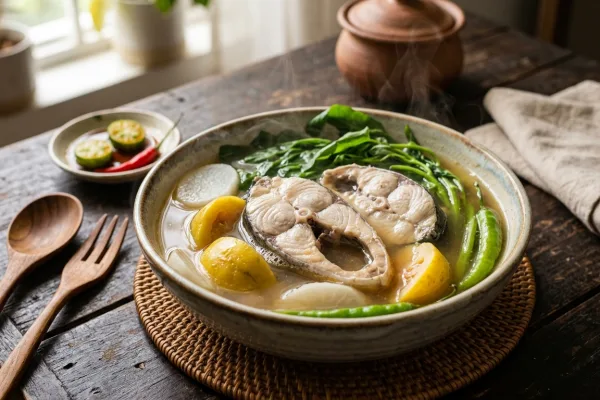
Sinigang na Bangus: A Bowl of Comfort
A classic Filipino sour tamarind soup made with tender milkfish steaks, savory aro...
 Seafood Lunches
⏱ 45 mins
Seafood Lunches
⏱ 45 mins
Sinigang na Bangus sa Bayabas
A heritage Filipino sour soup featuring tender milkfish (bangus) steaks simmered i...
 Life Style
⏱ 60 mins
Life Style
⏱ 60 mins
Laing Bicol
Laing, or Pinangat in Bicol, is Bicol's pride - dried or fresh taro leaves slow-co...
 Filipino Breakfast
⏱ 17 mins
Filipino Breakfast
⏱ 17 mins
Chicken Inasal with Garlic Java Rice & Atchara
There are two kinds of grilled chicken in the Philippines. There's the one you eat...
 Asian Salads
⏱ 45 mins
Asian Salads
⏱ 45 mins
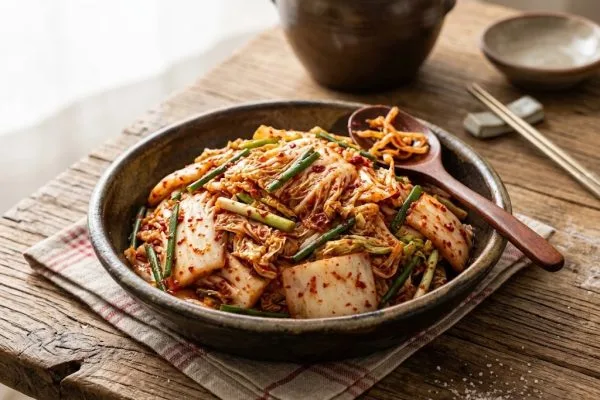
Kimchi — Easy Mak-Kimchi Style
If you have ever been intimidated by the complex process of making traditional Kor...





Comments (0)