

Sinigang na Bangus sa Bayabas
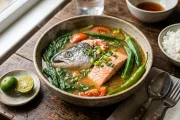
A heritage Filipino sour soup featuring tender milkfish (bangus) steaks simmered in a fragrant, naturally sweet and tangy ripe guava broth by TechieMomintheKitchen.
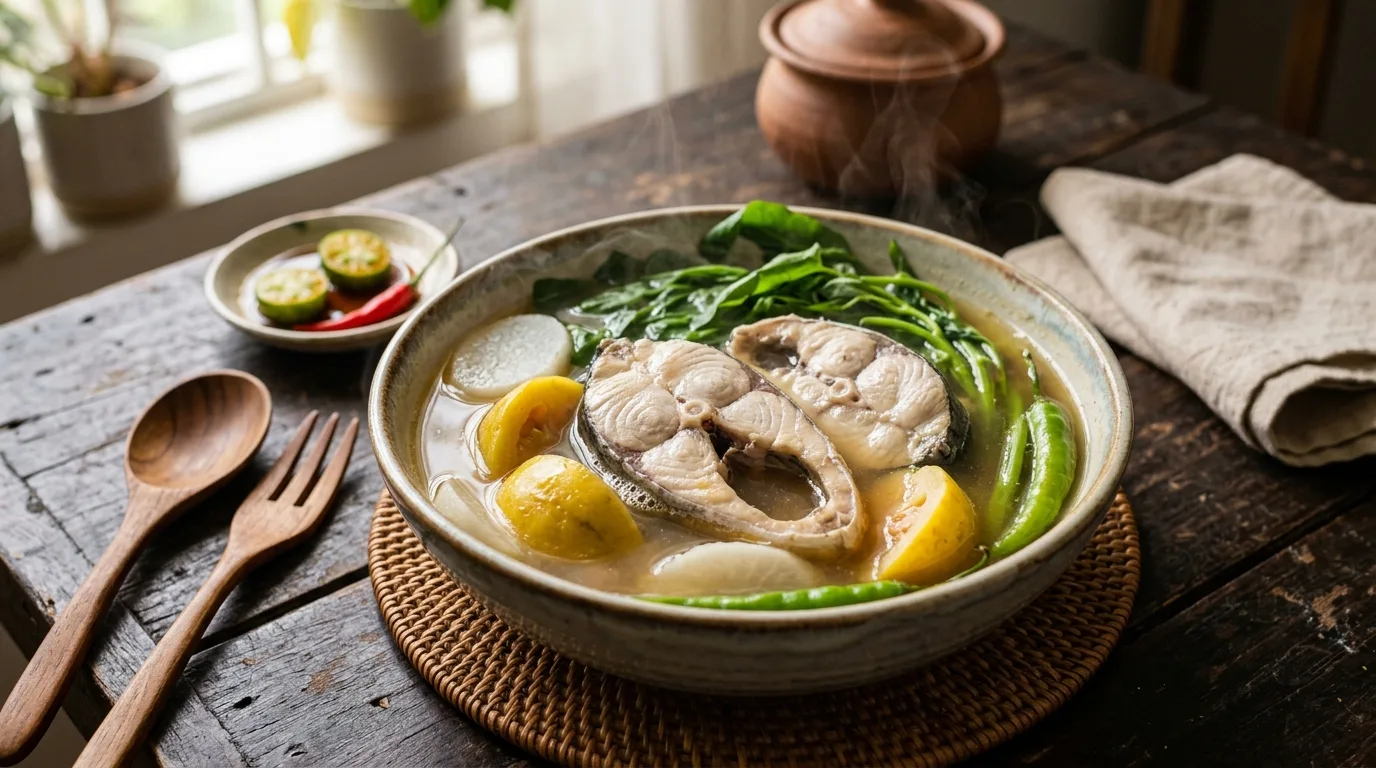
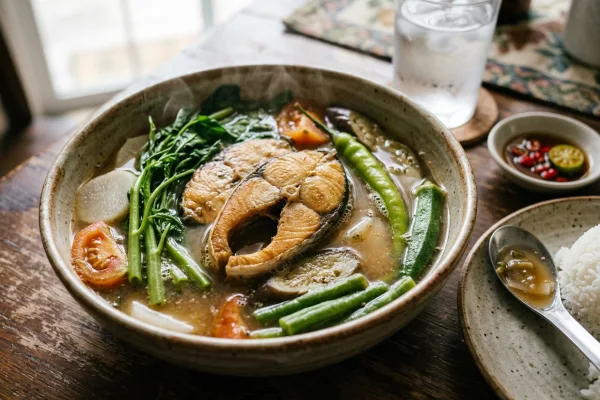
Sinigang na Bangus sa Bayabas is an iconic heirloom Filipino sour soup that celebrates the gentle, floral tang of ripe guavas (bayabas) paired with succulent milkfish steaks.
Shared by TechieMomintheKitchen, this traditional dish is cherished across Bulacan, Pampanga, and Central Luzon. Unlike tamarind-based sinigang which delivers a sharp sour punch, guava broth yields a subtle, mellow tartness with a fragrant, soothing aroma that lets the natural sweetness of fresh bangus shine.
Pro Tips for the Best Guava Sinigang
- Selecting Your Guavas: Native Philippine guavas (bayabas) provide the most authentic fragrance. If they are small, use 6 to 8 pieces; if larger, 4 to 6 pieces will flavor the broth nicely.
- Optional Tamarind Accent: If your guavas are on the sweeter side and you crave a sharper sour tang, adding half a sachet of sinigang mix or a squeeze of calamansi creates the ideal sour-sweet harmony.
- Handle Fish with Care: Milkfish steaks become tender quickly. Never boil vigorously once the fish is added, as the delicious belly portion can detach from the bones.
Ingredients
-
1 Fish
-
4 to 6
-
2 to 3
-
1
-
1Substitutes for Yellow Onion:White Onion Ratio: 1:1Red Onion Ratio: 1:1Shallots Ratio: 3 shallots = 1 medium onion
-
2Substitutes for Fresh Tomato:Canned Diced Tomatoes Ratio: 1:1
-
To taste
-
1 bunch
-
1
-
1 to 2
Watch How to Make It
1. Boil Aromatics
Gentle simmering allows the tomato juices to infuse the base water before adding the fruit.
2. Simmer Guavas and Radish
Use very ripe guavas with yellow skin for the sweetest fragrance and best natural souring properties.
3. Poach the Milkfish (Bangus)
Fresh bangus cooks quickly in hot fruit broth; keeping the heat at a gentle simmer preserves the belly fat and tender flesh.
4. Add Chilies and Wilt Greens
Kangkong wilts rapidly; taking it off heat right as it wilts keeps the leaves bright green.
5. Season and Serve
The unique guava aroma pairs beautifully with a spicy patis-calamansi dipping sauce!
All Steps Completed!
You've successfully finished cooking this recipe.
Directions
Step 1: Boil Aromatics
In a pot, add water (or fish broth), quartered onions, and quartered tomatoes. Bring to a boil and let it simmer for 5 to 10 minutes until the tomatoes soften and release their pink juices.
Gentle simmering allows the tomato juices to infuse the base water before adding the fruit.
Step 2: Simmer Guavas and Radish
Add the sliced radish and quartered ripe guavas into the pot. Simmer gently for 10 to 15 minutes until the guavas become soft and mushy, releasing their delicate sweetness and aromatic tartness. (Stir in a sachet of sinigang mix if you prefer higher acidity).
Use very ripe guavas with yellow skin for the sweetest fragrance and best natural souring properties.
Step 3: Poach the Milkfish (Bangus)
Carefully lay the milkfish slices into the simmering broth. Cook for 8 to 10 minutes until the fish is opaque and thoroughly cooked. Avoid stirring vigorously so the delicate bangus steaks do not break apart.
Fresh bangus cooks quickly in hot fruit broth; keeping the heat at a gentle simmer preserves the belly fat and tender flesh.
Step 4: Add Chilies and Wilt Greens
Add the whole long green chili peppers and the fresh kangkong leaves and tender stalks. Simmer for 1 to 2 minutes just until the greens wilt into the broth.
Kangkong wilts rapidly; taking it off heat right as it wilts keeps the leaves bright green.
Step 5: Season and Serve
Season with fish sauce (patis) or sea salt to taste. Ladle into warm soup bowls and serve piping hot with steamed rice.
The unique guava aroma pairs beautifully with a spicy patis-calamansi dipping sauce!
Credit & Sources
This recipe is curated from the credited creator or publisher and presented on Recipinboard with additional editorial context and features to make discovering, saving, organizing, and cooking easier—with interactive cooking tools, ingredient checklists, serving adjustments, meal planning, and grocery planning. We recognize and credit the recipe source while adding our own editorial perspective to help you discover more about the recipe and its story.
What's Your Reaction?

I’m a passionate home cook who loves turning fresh ingredients into delicious, memorable meals. I curate recipes and share them on Recipinboard, bringing together inspiring dishes, flavors, and ideas for fellow food lovers. I believe great food brings people together, and I’m always exploring new recipes, techniques, and flavors to make every meal special.
Related Recipes
 Seafood Lunches
⏱ 40 mins
Seafood Lunches
⏱ 40 mins
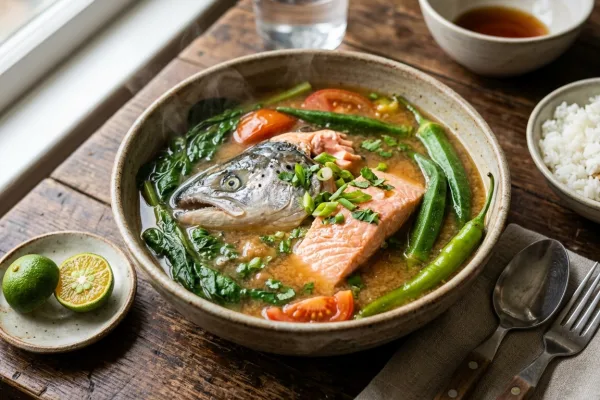
Sinigang na Salmon sa Miso
A comforting Filipino sour tamarind and miso soup featuring rich salmon heads, fre...
 Seafood Lunches
⏱ 30 mins
Seafood Lunches
⏱ 30 mins
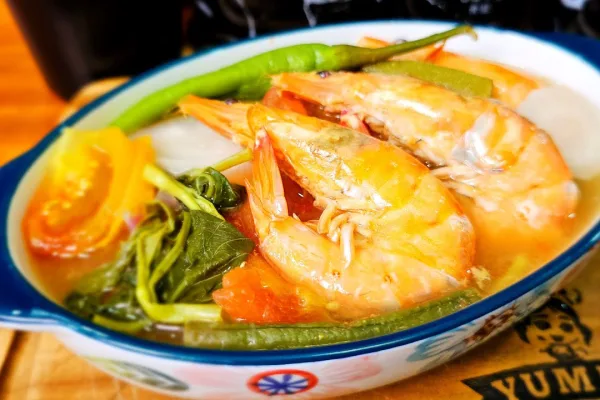
The Ultimate Sinigang na Hipon (Filipino Shrimp Tamarind Soup)
An authentic Filipino sour tamarind soup made with succulent whole shrimp, fresh k...
 Seafood Lunches
⏱ 35 mins
Seafood Lunches
⏱ 35 mins
Sinigang na Bangus: A Bowl of Comfort
A classic Filipino sour tamarind soup made with tender milkfish steaks, savory aro...
 Life Style
⏱ 60 mins
Life Style
⏱ 60 mins
Laing Bicol
Laing, or Pinangat in Bicol, is Bicol's pride - dried or fresh taro leaves slow-co...
 Filipino Breakfast
⏱ 17 mins
Filipino Breakfast
⏱ 17 mins
Chicken Inasal with Garlic Java Rice & Atchara
There are two kinds of grilled chicken in the Philippines. There's the one you eat...
 Asian Salads
⏱ 45 mins
Asian Salads
⏱ 45 mins
Kimchi — Easy Mak-Kimchi Style
If you have ever been intimidated by the complex process of making traditional Kor...



Comments (0)